
Discover the Enchanting World of BlossomofWealth
Dive into the captivating universe of BlossomofWealth, a game blending fantasy adventure with strategy and creativity.


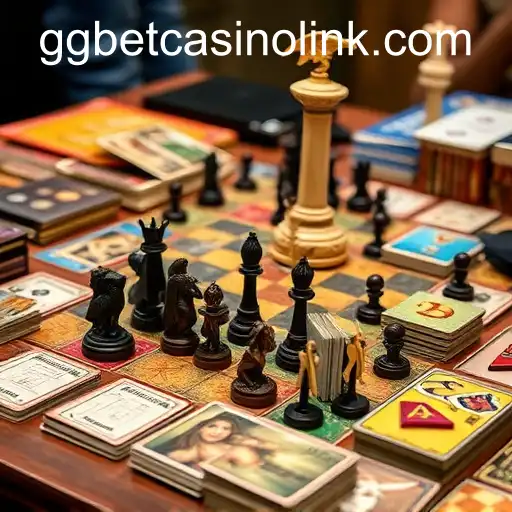
Tabletop games have been a cornerstone of leisure and entertainment for centuries. From ancient times to the modern era, these games have evolved, captivating enthusiasts with strategic depth and social interaction. Unlike video games that require screens, tabletop games are tangible experiences where players gather around to engage in matches that test wit, strategy, and sometimes, sheer luck.
Tracing the history of tabletop games reveals a rich tapestry of cultural evolution. Games like Chess, originating in the 6th century, have set the foundation for strategic thinking. As we moved towards the modern age, board games such as Monopoly and Scrabble became household staples. These games have set trends that continue to influence the design and play of contemporary tabletop games.
Modern tabletop games are nothing short of art. With the advent of new themes and mechanics, today's games attract not only seasoned veterans but also new players who are eager to dive into immersive worlds without ever leaving their living rooms. This evolution also means the rise in the inclusion of diverse themes ranging from historical recreations, fantastical settings, and even simulations of real-world business environments.
Board games are perhaps the most recognized form of tabletop gaming. Classic games like Risk and Settlers of Catan offer players the ability to build empires and dominate worlds, albeit through cardboard and plastic pieces. The beauty of board games lies in their simplicity combined with strategic depth. They are perfect for family gatherings or casual get-togethers with friends.
From the simplicity of a standard deck of cards to the complex worlds of decks like Magic: The Gathering, card games are a versatile and accessible form of tabletop gaming. These games often require both strategic foresight and quick thinking, making them engaging for players of varied skill levels.
RPGs like Dungeons & Dragons have crafted a niche of their own in the tabletop gaming universe. These games are more than just bits and pieces on a board; they are stories and adventures brought to life through imagination and collaborative storytelling. With the guidance of a game master, players explore realms, battle foes, and create compelling narratives that can span hours, or even years in ongoing campaigns.
No discussion about tabletop games would be complete without acknowledging the vibrant and welcoming community that surrounds it. Events such as conventions and game nights are not just places to play games but to share ideas, learn new strategies, and make lifelong friendships. This sense of community is perhaps one of the biggest draws to the hobby for new players.
Interestingly, technology has both challenged and enhanced the tabletop gaming world. Digital platforms now allow players to connect across continents, playing their favorite games online. While nothing quite beats sitting across the table from your opponents, platforms like GGBET CASINO LINK have shown that there's room for tech-enhanced versions where players can experience hybrid games that merge the best of both worlds.
For those new to tabletop gaming, the first step is simply to choose a game. Many local game shops and online forums offer detailed suggestions catering to different interests and experience levels. Whether starting with a simple deck-building game or diving into a full-blown RPG, the key is to enjoy the experience and embrace the community. Additionally, communities like those formed around GGBET CASINO LINK provide valuable resources and connections for new players.
Engage with local clubs, join social media groups, or attend gaming conventions and gatherings to find fellow enthusiasts and explore the vast array of available games. It's an interest that only grows richer with community involvement and shared experiences.
While this isn't a conclusion, it can be said that immersed in a tabletop game, one is transported into mentally stimulating and socially enriching dimensions. The logic puzzles posed by these games can sharpen minds, while the social interactions foster bonds. In essence, when you explore the realm of tabletop games, you're exploring a vast universe of adventure, strategy, and camaraderie.
If you're looking for a reliable, fully licensed, and secure sportsbook with a wide selection of games, GGBET CASINO LINK is the perfect choice. We're committed to providing you with the best online betting experience, with premium quality, excellent service, and continuous innovation. Sign up now and receive ₱777 for free!
Join now
Get the latest information, experience and betting strategies from the expert team at GGBET CASINO LINK.
Dive into the captivating universe of BlossomofWealth, a game blending fantasy adventure with strategy and creativity.

Explore the captivating world of ZeusRushFeverDeluxeSE, a new game that combines mythology with modern gameplay.
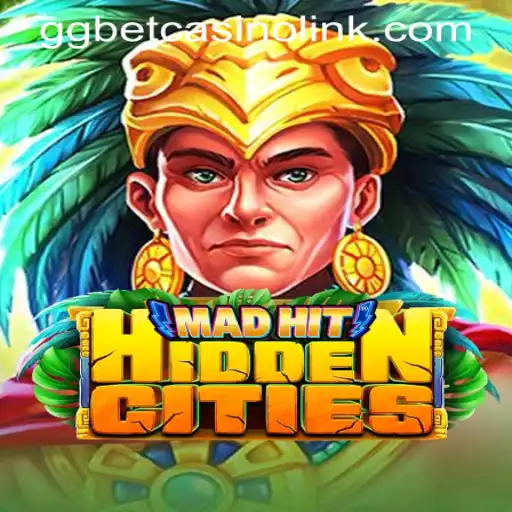
Dive into the immersive world of MadHitHiddenCities, a captivating game that combines adventure, strategy, and discovery. Learn about the game's introduction, description, and rules while considering current gaming trends.
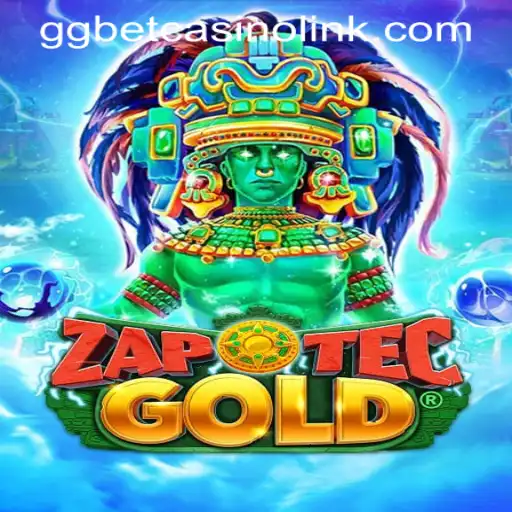
Discover the captivating features, gameplay, and rules of ZapOtecGold in the engaging environment of GGBET Casino.

Discover the captivating world of FaFaFa, a popular online game offered by GGBET Casino, including its gameplay, introduction, and rules.

Explore the captivating game of BrilliantGems, its engaging gameplay, and the excitement brought by GGBET CASINO LINK.
 Join now